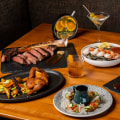
In today's diverse culinary landscape, identifying common allergens in menu items has become an essential practice for restaurants and food establishments. With the rising awareness of food allergies and intolerances, diners are increasingly seeking transparency in the meals they consume. For many, enjoying a meal out can be a daunting experience, fraught with uncertainty about what ingredients are used and how they may affect their health. This article delves into the critical importance of recognizing allergens present in menu items, providing insights not only for restaurant owners but also for consumers eager to make informed choices. Whether you are a chef aiming to create has become an essential practice for restaurants and food establishments. With the rising awareness of food allergies and intolerances, diners are increasingly seeking transparency in the meals they consume. For many, enjoying a meal out can be a daunting experience, fraught with uncertainty about what ingredients are used and how they may affect their health. This article delves into the critical importance of recognizing allergens present in menu items, providing insights not only for restaurant owners but also for consumers eager to make informed choices. Whether you are a chef aiming to create allergy-friendly meals or a diner with specific dietary needs, understanding how to identify and communicate common allergens can significantly enhance the dining experience. Join us as we explore effective strategies for pinpointing allergens, the impact of these practices on customer satisfaction, and how they contribute to a more inclusive dining environment.
Your journey towards safer eating starts here!In the dynamic landscape of the restaurant industry, identifying common allergens in menu items has become increasingly vital. With food allergies affecting millions of individuals worldwide, understanding and accommodating these dietary restrictions is no longer just a niche concern but a necessity for businesses aiming to provide safe dining experiences. The demand for allergy-friendly options is on the rise, as more consumers prioritize their health and safety when eating out. The most prevalent allergens include nuts, dairy, gluten, shellfish, and soy. Each of these allergens can trigger severe reactions in sensitive individuals, making it crucial for restaurants to be aware of their presence in various dishes.
For instance, tree nuts and peanuts are often found in desserts, salads, and sauces; dairy is commonly present in dressings, baked goods, and many main courses; gluten is primarily found in wheat-based products; shellfish is a staple in seafood dishes; and soy is frequently used in marinades and processed foods. By understanding where these allergens typically appear, restaurants can better strategize their menu offerings. Effective allergen labeling on menus plays a significant role in promoting transparency and safety. Menus should clearly indicate which dishes contain common allergens, ideally using symbols or color coding for easy identification. For example, a simple icon next to a dish could denote the presence of nuts or gluten.
Descriptive menu items can also enhance clarity; instead of just listing "Pasta Primavera," a more informative description could read "Gluten-Free Pasta Primavera with Seasonal Vegetables (Contains Soy)". This not only informs customers but also builds trust between diners and the establishment. Understanding cross-contamination is equally important in preventing allergic reactions. Even trace amounts of an allergen can provoke a serious response in sensitive individuals. Restaurants need to implement stringent protocols during food preparation to minimize this risk.
This includes using separate utensils, cooking surfaces, and storage areas for allergen-free ingredients. Staff should be trained to recognize potential sources of cross-contamination and take the necessary precautions when preparing meals. Training staff effectively is paramount in ensuring they can address customer inquiries about allergens confidently. Regular training sessions should cover the details of the menu, including which items contain specific allergens and how meals are prepared. Staff should also learn to engage with customers openly, encouraging them to express any concerns about allergens.
Having knowledgeable staff can significantly enhance the dining experience for customers with allergies, making them feel valued and safe. Current trends in menu design are increasingly accommodating dietary restrictions through innovative approaches such as icons or color coding for easy identification of allergen-free meals. This not only aids customers in making informed choices but also positions restaurants as considerate and inclusive establishments. Furthermore, creative marketing strategies can attract more customers seeking allergy-friendly meals. Highlighting these options through social media campaigns or special promotions can tap into a growing market segment that values health-conscious dining. When it comes to pricing strategies for allergy-friendly meals, it’s essential for restaurants to strike a balance between affordability and quality.
While some may perceive allergy-friendly options as premium offerings due to specialized ingredients or preparation methods, it's important to communicate the value these dishes provide in terms of safety and health benefits. Transparent pricing that reflects the quality of the ingredients used can help justify costs while attracting a loyal customer base. In conclusion, identifying common allergens in menu items is not merely about compliance; it's about creating a safe and welcoming environment for all diners. By understanding allergens, implementing effective labeling practices, training staff thoroughly, and adapting menu design trends, restaurants can cater to the needs of individuals with food allergies while enhancing their overall dining experience. As the demand for allergy-friendly options continues to grow, those who prioritize allergen awareness will undoubtedly stand out in an increasingly competitive market.
Effective Menu Design
When it comes to identifying common allergens in menu items, effective menu design plays a crucial role in ensuring that diners can easily navigate their options without feeling overwhelmed.One of the primary strategies is to utilize clear and concise labeling for allergen information. This can include icons or symbols next to menu items that indicate the presence of common allergens such as nuts, dairy, gluten, and shellfish. Another strategy is to create a dedicated section within the menu that highlights allergy-friendly meals. This section can provide detailed descriptions of each dish, along with information about how they are prepared to avoid cross-contamination. By organizing this information in a way that is easy to locate, customers who have specific dietary restrictions can feel more confident in their choices. Additionally, consider using color coding for menu items to signify different allergen categories.
For example, all dishes containing nuts could be marked with a red background, while dairy-free options might be highlighted in green. This visual cue helps diners quickly identify which options align with their dietary needs. Lastly, it’s important to train staff to communicate effectively about allergen information. Staff should be knowledgeable about the menu items and able to answer questions regarding ingredient sources and preparation methods. This ensures that customers receive accurate information, allowing them to make informed decisions about their meals.
Marketing Allergy-Friendly Options
In today's competitive restaurant landscape, effectively marketing allergy-friendly options is essential for attracting a diverse clientele.As more consumers become aware of their dietary restrictions, restaurants must adapt by promoting their allergy-friendly meals in a way that resonates with these customers. One effective approach is to highlight the allergy-friendly meals on the menu with clear labeling and descriptions. This not only helps diners make informed choices but also demonstrates the restaurant's commitment to allergen awareness. Utilizing symbols or color codes can make it easier for customers to identify safe options at a glance. Another strategy is to leverage social media platforms to share stories and testimonials from satisfied customers who have enjoyed your allergy-friendly options.
Engaging content such as photos, videos, or even behind-the-scenes looks at how meals are prepared can create a connection with potential diners and build trust in your brand. Additionally, consider partnering with local allergy advocacy groups or participating in community events focused on food allergies. This not only raises awareness of your allergy-friendly meals but also positions your restaurant as a leader in promoting safe dining experiences. Lastly, offering special promotions or discounts for allergy-friendly options can attract new customers while encouraging repeat visits. By actively marketing these meals, restaurants can enhance their reputation and foster a loyal customer base that appreciates their commitment to safety and inclusivity.
Understanding Allergens
In today's diverse culinary landscape, understanding allergens is crucial for both restaurant operators and consumers. Allergens can cause severe reactions in some individuals, making it essential for dining establishments to be aware of the ingredients they use. Common allergens include peanuts, tree nuts, milk, eggs, fish, shellfish, wheat, and soy.These allergens are prevalent across various cuisines, from Asian dishes that may contain soy sauce or fish sauce to Italian cuisine featuring dairy products like cheese and cream. The prevalence of these allergens can vary significantly by region and cuisine type. For instance, Mediterranean diets often include olive oil and seafood, while American fast food may focus more on wheat-based products. As consumer awareness of food allergies increases, restaurants must adapt their menus to accommodate those with dietary restrictions. Statistics reveal that food allergies affect approximately 32 million Americans, including 5.6 million children. This growing demographic has led to a heightened demand for allergy-friendly options, prompting chefs and restaurateurs to rethink their ingredient choices and preparation methods. By identifying common allergens in menu items, restaurants can create a safer dining experience for their patrons and meet the needs of a broader audience, ultimately fostering an inclusive environment that prioritizes health and safety.
Staff Training and Customer Interaction
Staff training is a crucial component in ensuring that restaurants can effectively handle allergen inquiries and maintain safe food handling practices.As the demand for allergy-friendly options increases, restaurant staff must be equipped with the knowledge and skills to address customer concerns confidently and accurately. First and foremost, comprehensive training programs should be implemented to educate staff about the most common food allergens, such as peanuts, tree nuts, dairy, gluten, shellfish, and eggs. Understanding these allergens allows staff to recognize potential risks and take appropriate actions when serving customers. Regular training sessions can help reinforce this knowledge and keep staff updated on any changes in menu items or preparation techniques. Moreover, staff should be trained on how to communicate effectively with customers regarding their dietary restrictions. This includes actively listening to customer inquiries about allergens and providing clear, concise answers.
It is essential for employees to understand not only the ingredients in each dish but also the potential for cross-contamination during food preparation. Furthermore, empowering staff to feel confident in handling allergen-related questions can enhance the overall dining experience for customers with food allergies. When employees demonstrate a genuine commitment to allergen safety, it fosters trust and encourages repeat visits from customers seeking safe dining options. In conclusion, investing in staff training and promoting proactive customer interaction regarding food allergies are vital steps toward creating a safer dining environment. By prioritizing allergen awareness and communication, restaurants can better cater to the needs of their patrons and contribute positively to the growing demand for allergy-friendly meals.
Identifying common allergens in menu items
is crucial for ensuring customer safety and enhancing satisfaction. As restaurants navigate the complexities of dietary needs, it is essential to continually assess and update menus to reflect accurate allergen information.This not only helps in preventing adverse reactions but also builds trust with diners who are increasingly vigilant about their food choices. The growing demand for allergy-friendly options underscores the need for restaurants to be adaptable and responsive to changing dietary trends. By being proactive in identifying and communicating allergen information, establishments can significantly enhance their reputation as safe dining environments. Ultimately, a commitment to allergen awareness not only protects customers but also positions restaurants as leaders in the industry, paving the way for growth and loyal patronage.