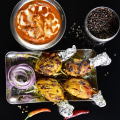
In the digital age, where convenience and accessibility reign supreme, online menus have become an essential tool for restaurants seeking to engage customers and streamline their dining experience. No longer confined to the printed pages of a traditional menu, the shift towards digital menusdigital menus offers a dynamic platform that not only showcases culinary delights but also enhances customer interaction and satisfaction. As patrons increasingly turn to their devices to explore dining options, creating an effective online menu is more critical than ever. Imagine a bustling restaurant, where every dish is meticulously crafted, yet the menu fails to convey its true essence. An online menu serves as a digital ambassador, inviting guests to discover unique flavors and enticing presentations right from their screens.
With the potential to include vivid images, detailed descriptions, and interactive features, restaurants can leverage technology to elevate their offerings and create a memorable first impression. This article delves into the intricacies of crafting effective online menus for restaurants. We will explore how to design engaging layouts, utilize high-quality visuals, and implement user-friendly features that resonate with today's tech-savvy diners. Whether you are a seasoned restaurateur or just starting out in the culinary world, understanding the art of online menus is key to standing out in a competitive landscape. Join us as we uncover strategies and best practices that will help you transform your digital presence and attract more customers with an enticing online menu. Menus are a crucial element in the restaurant industry, serving as the primary communication tool between the establishment and its customers.
In an online context, where diners often browse through various options before making a decision, an effective online menu can significantly enhance customer attraction and elevate their dining experience. As digital platforms continue to gain traction, understanding how to craft compelling menus is more relevant than ever. To create an effective online menu, several key components must be considered. First, clarity and simplicity are essential. A well-structured menu should offer straightforward descriptions of each dish, including key ingredients and preparation methods.
Additionally, high-quality images can make a substantial impact; visuals not only entice customers but also help them understand what to expect. The layout should be organized logically, often categorized by appetizers, main courses, desserts, and beverages. There are various types of restaurant menus that can be utilized, including static, dynamic, and interactive menus. Static menus remain unchanged and present a fixed selection of dishes, which is ideal for establishments with a consistent offering. Dynamic menus, on the other hand, allow for regular updates based on seasonal ingredients or special promotions.
Interactive menus engage customers by offering customizable options where they can choose toppings or side dishes, enhancing their overall experience. The significance of menu layout and design cannot be overstated. Elements such as font choices and colors play a pivotal role in setting the mood of the restaurant. For instance, a fine dining restaurant may opt for elegant serif fonts and muted color palettes to convey sophistication, while a casual eatery might choose bold colors and playful fonts to create a lively atmosphere. Moreover, the strategic placement of items can influence purchasing decisions; placing high-margin items at the top or bottom of the menu often attracts more attention. Successful restaurant menus exemplify effective communication of their offerings.
For example, a local pizzeria might highlight its artisanal approach by featuring images of fresh ingredients and emphasizing its commitment to quality. Similarly, a farm-to-table restaurant could showcase seasonal dishes with descriptions that tell a story about the source of their ingredients. These successful examples demonstrate how restaurants can not only present their food but also share their brand narrative through their online menus.When it comes to pricing strategies, restaurants have several options to consider.
Psychoogical pricing
, such as pricing items at $9.99 instead of $10.00, can subtly encourage purchases by making items appear more affordable.On the other hand, value-based pricing involves setting prices based on perceived value rather than cost, which can be particularly effective for premium offerings.
Competitive pricing
entails analyzing competitors’ prices to ensure that one’s menu remains attractive within the market landscape. Incorporating dietary options is essential for catering to a broader audience. Including clear labels for vegetarian, vegan, gluten-free, and allergen information not only demonstrates inclusivity but also builds trust with diners who may have dietary restrictions. For instance, a menu could feature icons next to dishes that meet specific dietary needs or provide detailed notes in the descriptions about potential allergens. Current trends in menu design reflect changing consumer preferences and societal values. entails analyzing competitors’ prices to ensure that one’s menu remains attractive within the market landscape. Incorporating dietary options is essential for catering to a broader audience. Including clear labels for vegetarian, vegan, gluten-free, and allergen information not only demonstrates inclusivity but also builds trust with diners who may have dietary restrictions. For instance, a menu could feature icons next to dishes that meet specific dietary needs or provide detailed notes in the descriptions about potential allergens. Current trends in menu design reflect changing consumer preferences and societal values.Minimalism has become increasingly popular as diners appreciate clean designs that prioritize readability and ease of navigation. Seasonal menus that highlight fresh ingredients can appeal to environmentally conscious consumers who prefer sustainable dining options. Additionally, incorporating sustainability themes into menu descriptions—such as sourcing from local farms—can resonate with diners who prioritize eco-friendly practices. To adapt these elements effectively for online platforms, restaurants must focus on user experience and mobile compatibility. Ensuring that the online menu is easily accessible on smartphones and tablets is crucial since many customers browse menus on-the-go.
This includes optimizing loading times, ensuring mobile-friendly layouts, and maintaining high-quality visuals that do not compromise performance. However, potential disagreements regarding menu pricing or dietary options may arise among customers. Some diners might perceive prices as too high or question the lack of certain dietary options. In these cases, it is important to communicate the value behind pricing choices clearly; for example, explaining ingredient sourcing or preparation methods can help justify higher costs. Additionally, actively seeking customer feedback on dietary offerings can guide future menu adjustments while demonstrating responsiveness to customer needs. In conclusion, creating effective online menus for restaurants involves understanding key components such as clarity, design aesthetics, diverse offerings, and strategic pricing methods.
By staying attuned to current trends and adapting to customer preferences, restaurants can enhance their digital presence and ultimately drive business success.
Adapting Menus for Online Platforms
In today's digital age, online menus have become essential for restaurants looking to attract and retain customers. To effectively optimize menus for online viewing and ordering, several key strategies should be implemented. Firstly, it is crucial to ensure that the menu is visually appealing. Use high-quality images and a clean layout that reflects the restaurant's brand. A well-structured menu not only enhances the user experience but also encourages customers to explore different offerings. Secondly, consider the importance of mobile optimization.As many customers access menus via their smartphones, menus should be responsive and easy to navigate on smaller screens. This includes using legible fonts, clear categories, and a straightforward ordering process. Additionally, incorporating search functionality can greatly improve user experience. Allowing customers to quickly find specific dishes or dietary options can lead to increased customer satisfaction and higher conversion rates. Lastly, don’t forget the significance of detailed descriptions. Providing enticing descriptions for each dish, including ingredients and potential allergens, can help customers make informed choices.
This not only enhances their dining experience but also builds trust in your brand. By focusing on these elements, restaurants can create effective online menus that attract customers and facilitate seamless online ordering.
Understanding Different Types of Menus
In the competitive restaurant industry, having a well-structured menu is crucial.Online menus
come in various forms, each offering unique advantages that can cater to different dining experiences and customer preferences. Understanding these types can help restaurant owners craft effective menus that resonate with their audience. One of the most common types is the à la carte menu. This format allows customers to choose individual dishes, giving them the freedom to customize their meal according to their tastes.It enhances the dining experience by allowing guests to mix and match items, making each visit unique. Another popular option is the table d'hôte menu, which offers a set number of courses at a fixed price. This format simplifies decision-making for customers and can streamline kitchen operations, making it easier for restaurants to manage inventory and reduce food waste. The buffet menu is another type that appeals to those who enjoy variety. Buffets allow diners to sample multiple dishes at once, catering to diverse palates and dietary preferences. This format can create a lively atmosphere and encourage social interaction among guests. For quick-service restaurants, a limited menu is often the best choice.
Offering a small selection of items can enhance efficiency and speed, which is essential for high-volume operations. This type of menu keeps things simple while still providing quality options for customers on the go. Finally, there is the seasonal menu, which changes periodically to reflect the freshest ingredients available. This not only keeps the offerings exciting but also demonstrates a commitment to sustainability by utilizing local produce and reducing carbon footprints. By understanding these different types of menus and their unique advantages, restaurant owners can create online menus that not only attract customers but also enhance their overall dining experience.
Incorporating Dietary Options
In today's diverse dining landscape, incorporating dietary options into your online menu is essential for attracting a wider customer base. Many diners are looking for meals that align with their health needs, ethical beliefs, or personal preferences.By effectively showcasing these options, you can enhance the customer experience and make your restaurant more inclusive. Start by clearly labeling menu items that cater to specific dietary needs such as vegan, gluten-free, nut-free, and low-carb. This not only helps customers make informed choices but also demonstrates that you value their dietary restrictions. Use distinct icons or color coding to highlight these options visually, making it easier for guests to navigate the menu. Furthermore, consider providing detailed descriptions of each dietary option. For instance, instead of simply listing a dish as 'vegan,' include information about the ingredients used and how they align with vegan principles.
This transparency builds trust and allows customers to feel confident in their selections. Additionally, offering customizable options can greatly enhance your appeal. Allow diners to modify dishes to meet their dietary needs, such as substituting ingredients or adjusting portion sizes. This flexibility not only caters to individual preferences but also encourages repeat business as customers appreciate the personalized experience. Lastly, don’t forget to keep your online menu updated. As dietary trends evolve and new options become available, regularly revisiting your menu ensures that you stay relevant and continue to meet your customers' needs.
By prioritizing dietary options, you position your restaurant as a forward-thinking establishment that cares about the well-being of its patrons.
Designing an Engaging Menu
When creating an online menu, visual appeal plays a crucial role in attracting customers. The first impression a menu makes can greatly influence a diner’s decision to order. Therefore, it’s essential to incorporate design principles that enhance both aesthetics and functionality. One of the fundamental aspects of an engaging menu is layout. A well-structured layout helps guide customers' eyes through the offerings.Utilize sections such as appetizers, main courses, and desserts to create a clear hierarchy. This organization not only makes the menu easy to navigate but also allows customers to find their desired items quickly.
Color schemes
are another vital component. Choose colors that reflect your restaurant's brand while ensuring readability. High contrast between text and background colors can enhance legibility.It’s also beneficial to maintain a consistent color palette throughout the menu to create a cohesive look. The use of images can significantly elevate an online menu. Including high-quality photos of dishes can entice customers and give them a visual representation of what to expect. However, moderation is key; too many images can overwhelm the viewer. Select images that showcase your signature dishes or most popular items. Typography is equally important in menu design.
Opt for fonts that are clear and easy to read. Avoid overly decorative fonts that may detract from the content. Consider using different font sizes or weights to emphasize headings or special items, creating a visual hierarchy that guides the reader. Lastly, ensure that your online menu is responsive. With many customers browsing on mobile devices, it’s crucial that your menu adjusts seamlessly to different screen sizes.
A responsive design enhances user experience and keeps potential diners engaged. By focusing on these key design principles—layout, color schemes, images, typography, and responsiveness—restaurants can create online menus that are not only visually appealing but also intuitive for customers to navigate.
Pricing Strategies for Your Menu
Effective pricing strategies are a crucial element in crafting an online menu that not only attracts customers but also boosts sales.Pricing
can influence customer choices significantly, and understanding how to leverage this can make a substantial difference in a restaurant's success. One popular strategy is to employ psychological pricing. This involves setting prices just below a round number, such as $9.99 instead of $10.00. This can create the perception of better value and encourage customers to make a purchase. Another strategy is anchoring, where you place a higher-priced item next to a more moderately priced one.This can make the latter seem like a better deal, encouraging customers to opt for it. For example, if you have a gourmet dish priced at $30 next to a similar dish at $20, the second option may appear more appealing due to the comparative pricing.
Bundle pricing
is another effective method where you offer multiple items at a reduced price compared to purchasing them separately. This not only increases perceived value but can also increase the overall order size, leading to higher profits. Additionally, consider implementing demand-based pricing. This involves adjusting prices based on factors such as seasonality, time of day, or even current trends.For instance, during peak dining hours or special events, you might increase prices slightly due to higher demand. Lastly, don't forget to communicate your pricing strategies clearly on your online menu. Transparency can build trust with customers and enhance their overall experience. By understanding and applying these various pricing strategies, restaurants can effectively influence customer decisions and optimize their offerings.
Current Trends in Menu Design
In the rapidly evolving landscape of the restaurant industry, online menus have become a critical tool for engaging customers. As diners increasingly seek convenience and innovation, restaurants must adapt their menu designs to reflect current trends that appeal to modern consumers. One significant trend is the use of visual storytelling in menu design.Restaurants are now incorporating high-quality images and graphics that not only showcase dishes but also tell a story about the ingredients and preparation methods. This approach helps create an emotional connection with diners, making them more likely to choose those enticing offerings. Another key trend is the integration of interactive elements in online menus. Features such as clickable categories, ingredient highlights, and even nutritional information empower customers to make informed choices while enhancing their overall experience. These interactive designs cater to the tech-savvy diner who appreciates an engaging and informative browsing experience. Moreover, the emphasis on sustainability and local sourcing is becoming more prominent in menu design.
Many restaurants are now highlighting their commitment to sustainability by showcasing seasonal ingredients or local partnerships directly on their menus. This not only attracts eco-conscious diners but also reinforces a restaurant's brand identity. Lastly, the rise of personalization in online menus cannot be overlooked. Restaurants are leveraging data analytics to offer tailored recommendations based on previous orders or customer preferences. This personalized approach not only enhances the dining experience but also fosters customer loyalty as diners feel understood and valued. By embracing these trends in menu design, restaurants can effectively attract modern diners and create a memorable online dining experience that goes beyond just food selection. In conclusion, we have explored the crucial role of online menus in the restaurant industry, emphasizing their ability to attract customers and enhance the overall dining experience.
An effective menu not only showcases the culinary offerings but also reflects the restaurant's brand and values. We discussed various aspects such as understanding different types of menus, designing an engaging menu, and the importance of incorporating dietary options to cater to diverse customer needs. Moreover, we highlighted current trends in menu design and the necessity of adapting menus for online platforms in response to consumer behavior and preferences. In today’s digital landscape, having a well-crafted online menu is more important than ever. We encourage restaurant owners to continually seek customer feedback and stay informed about emerging trends to keep their menus relevant and appealing. By doing so, they can ensure that their online menus not only meet but exceed customer expectations, ultimately leading to increased satisfaction and loyalty.